
|
Appreciate Liberty
|
|
Concepts for Kids
1. When people live without liberty, it is usually because force is used to take away their liberty.
2. People can be unfree in many ways. They may
Ideas for Grown Ups As you share these stories with your child, help him or her understand how lack of liberty personally affects the characters. Online ResourcesRelated TopicsWhy Liberty is Important
Cooperation and Coercion Poverty and Prosperity Slavery, Abolition, and the Underground Railroad Immigration Malala Yousafzai Literature ConnectionWords Set Me Free:
The Story of Young Frederick Douglass by Lesa Cline-Ransome The story of Frederick Douglass learning to read and write when such things were illegal for slaves is impressive. This books chronicles the process and documents how Douglass used his skills to free his mind and spirit, as well as his body. The illustrations are both beautiful and emotion-conveying. Stepping Stones: A Refugee Family's Journey by Margaret Ruurs Written in both English and Arabic, this is the story of a refugee family's journey out of war- ravaged Syria. The illustrations are expressive scenes created with arrangements of stones. The Water Princess by Susan Verde Gie Gie calls herself a princess and shares with readers her special powers. But everyday, she and her mother must walk for hours to collect water for drinking and washing. With its earth tone hues and expressive illustrations, this story clearly depicts the reality of life in a poor country. Little Leap Forward by Guo Yue & Clare Farrow Little Leap Forward is a young boy growing up is Beijing during the 1960's. This beautifully written and illustrated biographic describes the experiences an ordinary child would have had in that time and place. Little Leap's attention is focused on his family, friends, interests, and daily life. The effects of oppression: poverty, hunger, prohibition of activities and possessions, are woven subtly into the narrative. Freedom is symbolized by a bird captured, caged, and later released. Dancing to Freedom: The True Story of Mao's Last Dancer by Li Cunxin Li Cunxin is a young boy from a rural Chinese family when he is chosen to attend the Beijing Dance Academy. He works hard and eventually becomes an internationally performing ballet dancer. This book portrays the poverty of Chinese peasants, the sacrifices and difficulties of Li's training, and the triumphs of his career. Free as a Bird: the Story of Malala by Lina Maslo Malala is a Pakistani girl who loves learning and attends the school her father started for boys AND girls. When the Taliban take over her community, Malala refuses to quit her education. For this she is targeted and nearly killed. After recovering from her injury, Malala becomes an international spokesperson for the rights of oppressed people. Malala's Magic Pencil by Malala Yousafzai Accompanied by charming illustrations. Malala tells her inspiring story. As a young Pakistani child she wished for a magic pencil. As a young student, she learned to write and speak for girls like herself who were threatened with death for attending school. After surviving a nearly fatal attack, Malala touched the world with her message. |

Little Leap Forward
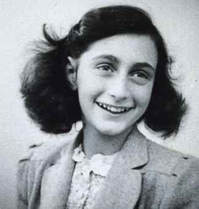
Nasreen's Secret School by Jeanette Winter After soldiers took over her city in Afghanistan, Nasreen's school was closed and both of her parents disappeared. At first Nasreen refused to speak. Her grandmother enrolled her in an illegal school. Though this was dangerous, it allowed Nasreen to make friends, feel happier, and learn about the world beyond her isolated community. I Am Rosa Parks by Rosa Parks with Jim Haskins This Easy to Read Level 3 biography is suitable for ages 6 - 9. The narrative begins with Rosa's arrest for refusing to give up her bus seat to a white person. It travels back to her childhood and young adult life in a segregated south. After Rosa's arrest, we learn about the Montgomery bus boycott and eventual end of segregated buses. At the end, Rosa has grown older. Segregation has been outlawed but Rosa continues to encourage everyone to live without hate. Ruby Bridges Goes to School: My True Story by Ruby Bridges This level 2 book is suitable for 6 - 7 year olds to read to themselves. Ruby's story begins with a description of segregation. In 1961 Ruby begins first grade at a former white school. Text and photographs show her being accompanied by US marshalls while protestors demonstrate their opposition. At first the white children are taken out of the school. But gradually they began to come back. Ruby is recognized for her courage. Later in her life, Ruby visits schools and encourages children to be kind to each other. Rice From Heaven: The Secret Mission to Feed North Koreans by Tina Cho In May, 2016, forty South Koreans inflated and launched 200 balloons that carried loads of rice into North Korea. This book tells the story from the perspective of a fictional girl who helped. The text and illustrations clearly show the differences between North and South Korea. Cuba: After the Revolution by Bernard Wolf This photo essay published in 1999 presents the good and bad of Cuba and would be appropriate for 9 year olds and older. On the one hand the text describes and the photos show the challenges of everyday life in Cuba. These include: waiting in line for overcrowded buses as well as everyday necessities, hunger, difficulties making ends meet, broken down buildings, and an uncertain future. Those are contrasted with the beauty of the island, the friendliness and generosity of Cuban citizens, their wonderful food, safe cities, and "free" healthcare. The girl whose daily life is portrayed looks middle class by US standards but is undoubtedly upper class in Cuba, though the author does not say so. N is for North Korea by Trevor Eissler Na-young is an eight year old North Korean girl who discovers she has a cousin in South Korea. Because she cannot visit, telephone, or send a letter to her cousin, Na-young attempts to communicate using a helium balloon. Young children should be able to relate to Na-young. The effect of living in a Communist country is portrayed subtly. The illustrations and some of the text show the family's limited means, the "dear" leaders' portraits in their home, propaganda posters, a political rally, and the guards at the DMZ. A Picture Book of Anne Frank by David Adler With artful and expressive illustrations, this book chronicles the events of Anne Frank's life from birth through the publication of her diary. It clearly interweaves historic happenings with Anne's experiences. National Geographic Readers: Anne Frank (Level 3 ) By Alexandra Zapruder The engaging combination of photographs, large font text, sidebars listing definitions of challenging vocabulary, and boxes containing quotes from her diary will make this an entertaining book for 8 to 10 year olds. The Old Ladies Who Liked Cats By Carol Green Unintended consequences is the theme of this charmingly illustrated tale. When the mayor on a small, prosperous island prohibits cats outside at night, the result is disaster. Though his intentions are good, only the old ladies understand "...how things work together." |